Quiz on sulfur element
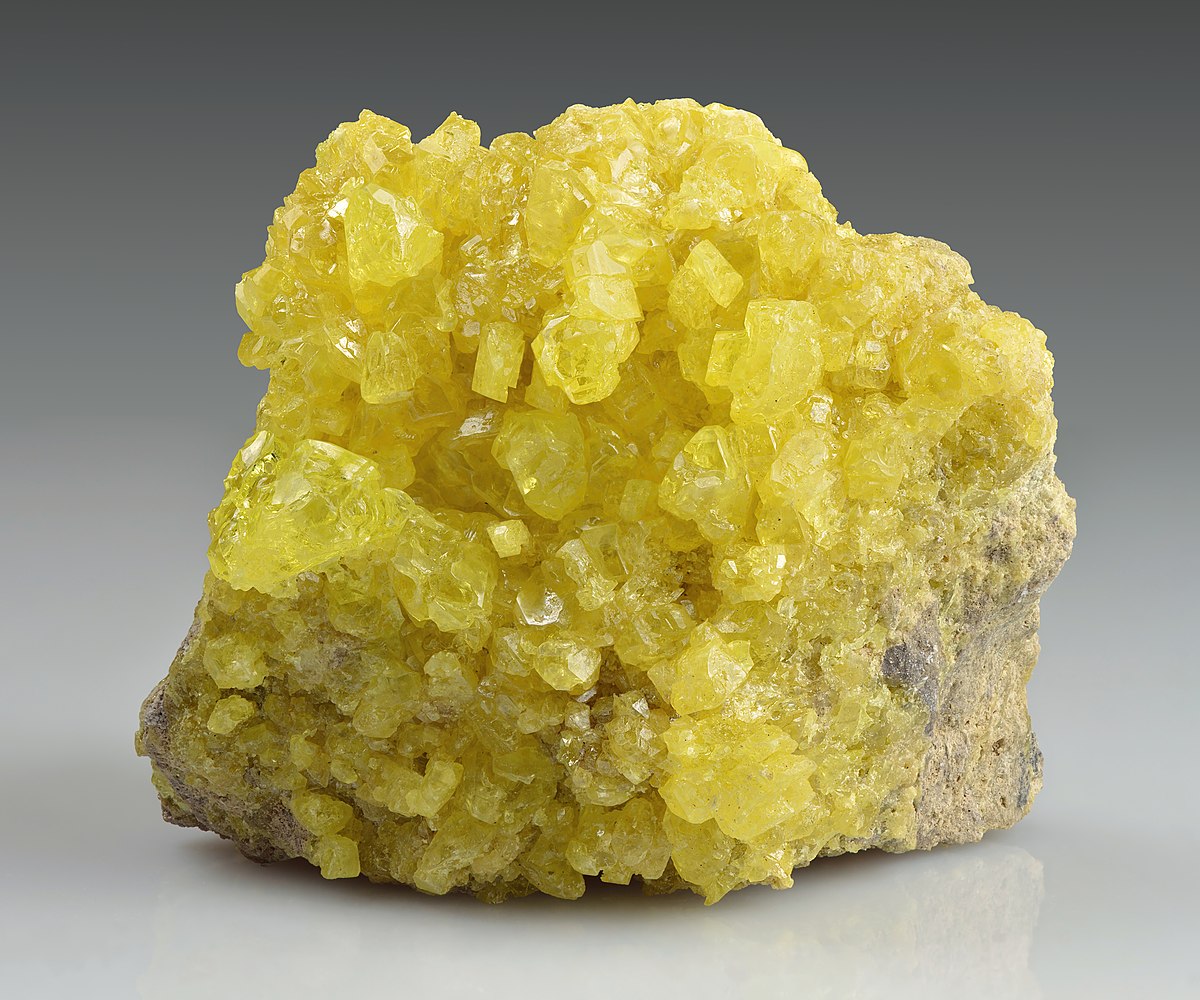
Sulfur is a non-metallic element with the chemical symbol S and atomic number 16. It belongs to Group 16 of the periodic table, known as the chalcogen group, which also includes oxygen and selenium. Sulfur is easily recognized by its bright yellow color and is found abundantly in the Earth’s crust, often near volcanic areas and hot springs. It does not dissolve in water and burns with a blue flame, producing sulfur dioxide (SO₂), a gas with a sharp odor. Sulfur is a key industrial element used in the manufacture of sulfuric acid (H₂SO₄) — one of the most important industrial chemicals, widely used in fertilizers, batteries, and cleaning agents. In biology, sulfur is essential for life, as it is found in certain amino acids and vitamins that help build proteins in living organisms. Naturally, sulfur occurs in rhombic and monoclinic crystalline forms, with rhombic sulfur being the most stable at room temperature. Its versatile uses and biological importance make it one of the most valuable non-metals on Earth.
- Total Question: 10
- Views: 142964 times
- Attempted: 0 times
- Published by : on 19-Oct-2025 01:40 pm